Saturday, August 29, 2020

Saturday, August 22, 2020
Friday, July 31, 2020
1 John 3:1-3
1 John 3:1-3 @
IN company with His disciples, the Saviour
slowly made His way to the garden of Gethsemane. The Passover moon, broad and full, shone
from a cloudless sky. The city of pilgrims' tents was hushed into silence.
slowly made His way to the garden of Gethsemane. The Passover moon, broad and full, shone
from a cloudless sky. The city of pilgrims' tents was hushed into silence.
Jesus had been earnestly
conversing with His disciples and instructing them; but as He neared Gethsemane, He became
strangely silent. He had often visited this spot for meditation and prayer; but never with
a heart so full of sorrow as upon this night of His last agony. Throughout His life on
earth He had walked in the light of God's presence. When in conflict with men who were
inspired by the very spirit of Satan, He could say, "He that sent Me is with Me: the
Father hath not left Me alone; for I do always those things that please Him." John
8:29. But now He seemed to be shut out from the light of God's sustaining presence. Now He
was numbered with the transgressors. The guilt of fallen humanity He must bear. Upon Him
who knew no sin must be laid the iniquity of us all. So dreadful does sin appear to Him,
so great is the weight of guilt which He must bear, that He is tempted to fear it will
shut Him out forever from His Father's love. Feeling how terrible is the wrath of God
against transgression, He exclaims, "My soul is exceeding sorrowful, even unto
death."
conversing with His disciples and instructing them; but as He neared Gethsemane, He became
strangely silent. He had often visited this spot for meditation and prayer; but never with
a heart so full of sorrow as upon this night of His last agony. Throughout His life on
earth He had walked in the light of God's presence. When in conflict with men who were
inspired by the very spirit of Satan, He could say, "He that sent Me is with Me: the
Father hath not left Me alone; for I do always those things that please Him." John
8:29. But now He seemed to be shut out from the light of God's sustaining presence. Now He
was numbered with the transgressors. The guilt of fallen humanity He must bear. Upon Him
who knew no sin must be laid the iniquity of us all. So dreadful does sin appear to Him,
so great is the weight of guilt which He must bear, that He is tempted to fear it will
shut Him out forever from His Father's love. Feeling how terrible is the wrath of God
against transgression, He exclaims, "My soul is exceeding sorrowful, even unto
death."
As they approached the
garden, the disciples had marked the change that came over their Master. Never before had
they seen Him so utterly sad and silent. As He proceeded, this strange sadness deepened;
yet they dared not question Him as to the cause. His form swayed as if He were about to
fall. Upon reaching the garden, the disciples looked anxiously for His usual place of
retirement, that their Master might rest. Every step that He now took was with labored
effort. He groaned aloud, as if suffering under the pressure of a terrible burden. Twice
His companions supported Him, or He would have fallen to the earth.
garden, the disciples had marked the change that came over their Master. Never before had
they seen Him so utterly sad and silent. As He proceeded, this strange sadness deepened;
yet they dared not question Him as to the cause. His form swayed as if He were about to
fall. Upon reaching the garden, the disciples looked anxiously for His usual place of
retirement, that their Master might rest. Every step that He now took was with labored
effort. He groaned aloud, as if suffering under the pressure of a terrible burden. Twice
His companions supported Him, or He would have fallen to the earth.
Near the entrance to the
garden, Jesus left all but three of the disciples, bidding them pray for themselves and
for Him. With Peter, James, and John, He entered its secluded recesses. These three
disciples were Christ's closest companions. They had beheld His glory on the mount of
transfiguration; they had seen Moses and Elijah talking with Him; they had heard the voice
from heaven; now in His great struggle, Christ desired their presence near Him. Often they
had passed the night with Him in this retreat. On these occasions, after a season of
watching and prayer, they would sleep undisturbed at a little distance from their Master,
until He awoke them in the morning to go forth anew to labor. But now He desired them to
spend the night with Him in prayer. Yet He could not bear that even they should witness
the agony He was to endure.
garden, Jesus left all but three of the disciples, bidding them pray for themselves and
for Him. With Peter, James, and John, He entered its secluded recesses. These three
disciples were Christ's closest companions. They had beheld His glory on the mount of
transfiguration; they had seen Moses and Elijah talking with Him; they had heard the voice
from heaven; now in His great struggle, Christ desired their presence near Him. Often they
had passed the night with Him in this retreat. On these occasions, after a season of
watching and prayer, they would sleep undisturbed at a little distance from their Master,
until He awoke them in the morning to go forth anew to labor. But now He desired them to
spend the night with Him in prayer. Yet He could not bear that even they should witness
the agony He was to endure.
"Tarry ye here," He
said, "and watch with Me."
said, "and watch with Me."
He went a little distance
from them--not so far but that they could both see and hear Him--and fell prostrate upon
the ground. He felt that by sin He was being separated from His Father. The gulf was so
broad, so black, so deep, that His
from them--not so far but that they could both see and hear Him--and fell prostrate upon
the ground. He felt that by sin He was being separated from His Father. The gulf was so
broad, so black, so deep, that His
Monday, July 27, 2020
In the Name of Jesus....
In the name of Jesus....
Jesus said, "Ye shall
ask in My name: and I say not unto you, that I will pray the Father for you: for the
Father Himself loveth you." "I have chosen you: . . . that whatsoever ye shall
ask of the Father in My name, He may give it you." John 16:26, 27; 15:16. But to pray
in the name of Jesus is something more than a mere mention of that name at the beginning
ask in My name: and I say not unto you, that I will pray the Father for you: for the
Father Himself loveth you." "I have chosen you: . . . that whatsoever ye shall
ask of the Father in My name, He may give it you." John 16:26, 27; 15:16. But to pray
in the name of Jesus is something more than a mere mention of that name at the beginning
Page 101
and the ending of a prayer. It is to pray in the mind and spirit of Jesus, while we
believe His promises, rely upon His grace, and work His works.
believe His promises, rely upon His grace, and work His works.
Monday, July 13, 2020
LUKE 19:10
LUKE 19:10
Monday: A Lesson in Acceptance

By modeling for them what it meant to see
each individual from a new perspective, Jesus taught His disciples how
to see people through heaven’s eyes. His view of people was radical. He
saw them, not as they were but as they might become. In all of His
interactions with people, He treated them with dignity and respect.
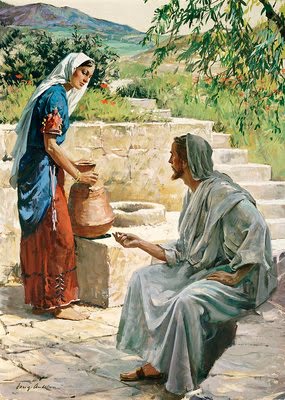 Often He surprised His disciples by the way He treated people. This
is especially true in His interaction with the Samaritan woman.
The Archaeological Study Bible makes this interesting
observation about the relationship between the Jews and the Samaritans:
“The rift between the Samaritans and the Judeans dates from an early
period. According to 2 Kings chapter 17 the Samaritans were descendants
of Mesopotamian peoples who were forcibly settled in the lands of
northern Israel by the king of Assyria in the wake of the exile of 722
B.C. They combined the worship of Yahweh with idolatrous practices”. —
The Archaeological Study Bible (Zondervan Publishing, 2005), p. 1727. In
addition to these idolatrous practices, they established a rival
priesthood and a rival temple on Mount Gerizim. Considering such
theological differences with the Samaritans, the disciples must have
been perplexed when Jesus chose the Samaritan route to Galilee. They
were surprised that Jesus did not allow Himself to be drawn in a
religious debate. He appealed directly to the Samaritan woman’s longing
for acceptance, love, and forgiveness.
Read John 4:3-34.
The eternal lesson that Jesus longed to teach His disciples and each
one of us is simply this: “Those who have the Spirit of Christ will see
all men through the eyes of divine compassion”. — Ellen G. White, The Signs of the Times, June 20, 1892.
<–Sunday Tuesday–>
each individual from a new perspective, Jesus taught His disciples how
to see people through heaven’s eyes. His view of people was radical. He
saw them, not as they were but as they might become. In all of His
interactions with people, He treated them with dignity and respect.
Image © Pacific Press at Goodsalt.com
is especially true in His interaction with the Samaritan woman.
The Archaeological Study Bible makes this interesting
observation about the relationship between the Jews and the Samaritans:
“The rift between the Samaritans and the Judeans dates from an early
period. According to 2 Kings chapter 17 the Samaritans were descendants
of Mesopotamian peoples who were forcibly settled in the lands of
northern Israel by the king of Assyria in the wake of the exile of 722
B.C. They combined the worship of Yahweh with idolatrous practices”. —
The Archaeological Study Bible (Zondervan Publishing, 2005), p. 1727. In
addition to these idolatrous practices, they established a rival
priesthood and a rival temple on Mount Gerizim. Considering such
theological differences with the Samaritans, the disciples must have
been perplexed when Jesus chose the Samaritan route to Galilee. They
were surprised that Jesus did not allow Himself to be drawn in a
religious debate. He appealed directly to the Samaritan woman’s longing
for acceptance, love, and forgiveness.
Read John 4:3-34.
How did Jesus approach the Samaritan woman? What was the woman’s
response to Christ’s conversation with her? What was the disciples’
response to this experience, and how did Jesus broaden their vision?
The eternal lesson that Jesus longed to teach His disciples and each one of us is simply this: “Those who have the Spirit of Christ will see
all men through the eyes of divine compassion”. — Ellen G. White, The Signs of the Times, June 20, 1892.
| Who are people whom, due to the influence of your own culture and society, you tend to view disdainfully or with lack of respect? Why must you change your attitude, and how can that change come? |
Matt.11:28-30
Matt.11:28-30
There is no smile that He does not mark.
If we would but fully believe this,
all undue anxieties would be dismissed. Our lives would not be so filled with
disappointment as now; for everything, whether great or small, would be left in the hands
of God, who is not perplexed by the multiplicity of cares, or overwhelmed by their weight.
We should then enjoy a rest of soul to which many have long been strangers.
all undue anxieties would be dismissed. Our lives would not be so filled with
disappointment as now; for everything, whether great or small, would be left in the hands
of God, who is not perplexed by the multiplicity of cares, or overwhelmed by their weight.
We should then enjoy a rest of soul to which many have long been strangers.
Subscribe to:
Comments (Atom)